
Introduction: The Power of Early Reading
In a world dominated by digital distractions, developing strong reading habits from an early age has become more vital than ever. Reading is not just about recognizing words—it’s about building imagination, critical thinking, and emotional depth. Children who learn to read early develop lifelong skills that influence how they think, feel, and connect with the world around them.
1. Building the Foundation for Learning
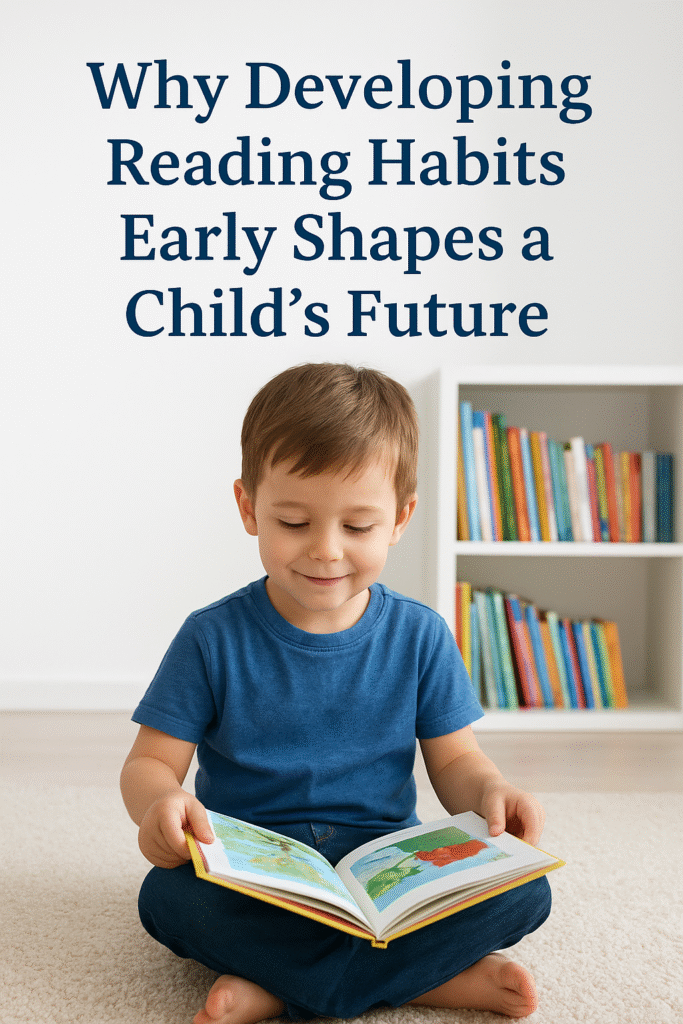
Early reading lays the groundwork for academic success. Research consistently shows that children exposed to books before school have better vocabulary, comprehension, and focus. Reading stimulates brain development, improving memory, reasoning, and problem-solving skills. Whether it’s a bedtime story or picture book, every page strengthens a child’s cognitive foundation.
When children fall in love with reading, they begin to associate learning with joy rather than pressure. This early enthusiasm fuels curiosity, helping them perform better across all subjects as they grow.
2. Emotional Growth Through Stories
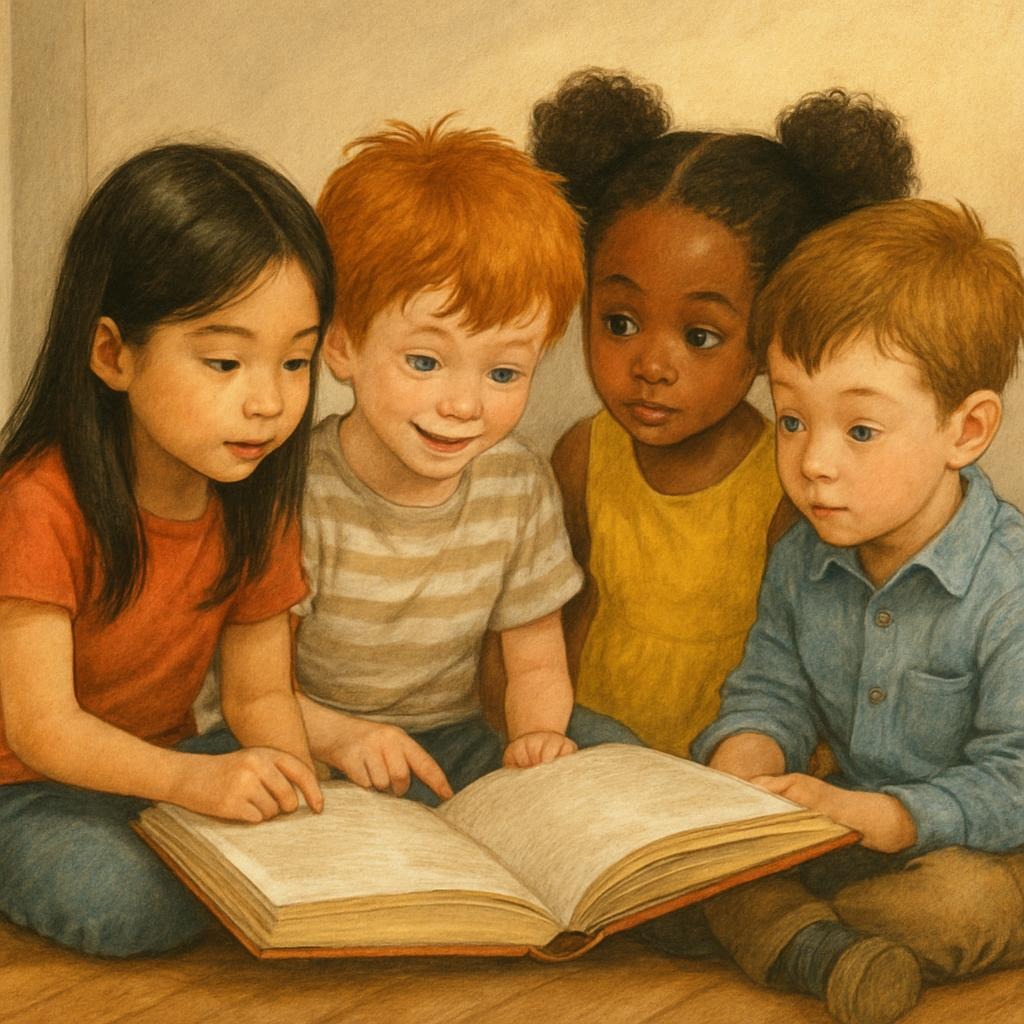
Books introduce children to emotions, relationships, and real-world experiences. Through characters and stories, they learn empathy, kindness, and courage. Reading helps them process feelings—understanding joy, fear, or sadness in healthy ways. Stories also spark imagination, allowing kids to dream big and build confidence. These emotional lessons shape balanced, compassionate individuals who navigate life with understanding and resilience.
3. Communication, Confidence, and Creativity
A strong reader becomes a confident communicator. Children who read regularly articulate ideas better, write creatively, and think critically. Reading strengthens language fluency, helping them express thoughts clearly in both writing and speech. Confidence gained from understanding and sharing ideas extends far beyond academics—it prepares them for leadership, teamwork, and problem-solving in real life.
4. The Role of Parents and Teachers
Parents and educators have the power to nurture reading habits early. Reading aloud, creating cozy reading corners, and allowing children to pick their own books can make a world of difference. Libraries, book fairs, and storytelling sessions can make reading a fun, shared experience. Technology, when used wisely through e-books or audiobooks, can complement traditional reading methods and sustain engagement.
Conclusion: A Page Today, a Brighter Tomorrow
Developing reading habits early is one of the greatest investments in a child’s future. It builds knowledge, character, and curiosity—skills that shape leaders, thinkers, and dreamers. A child who reads today becomes a visionary tomorrow. So let’s turn off the screens, open a book, and inspire the next generation—one page at a time.
